Through capacity-building, policy advice, international cooperation, monitoring and foresight in the fields of freedom of expression, access to information, and digital transformation, UNESCO will continue to empower key actors with a view to ensuring that fundamental freedoms are guaranteed online and offline, in line with international standards.
Programmes
Memory of The World
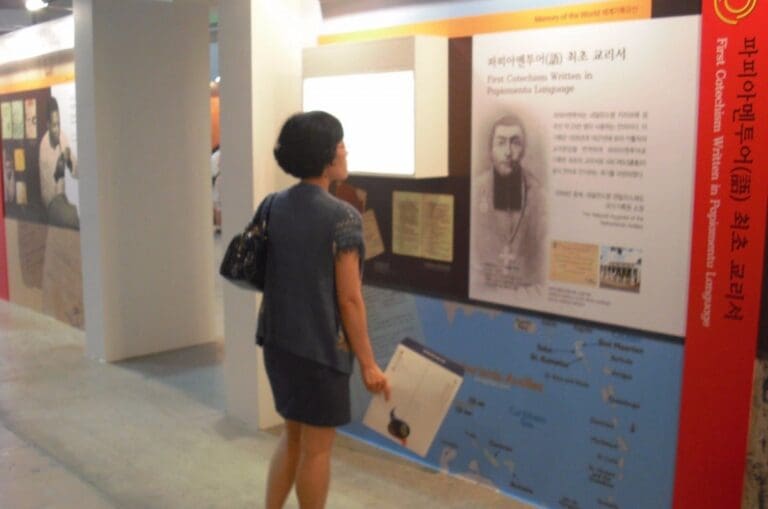
UNESCO launched the Memory of the World (MoW) Programme in 1992 to guard against the collective amnesia, calling upon the preservation of the valuable archive holdings and library collections all over the world and ensuring their wide dissemination. The Programme’s vision is that the world’s documentary heritage belongs to all, should be fully preserved and protected for all and, with due recognition of cultural mores and practicalities, should be permanently accessible to all without hindrance.
Open Educational Resources
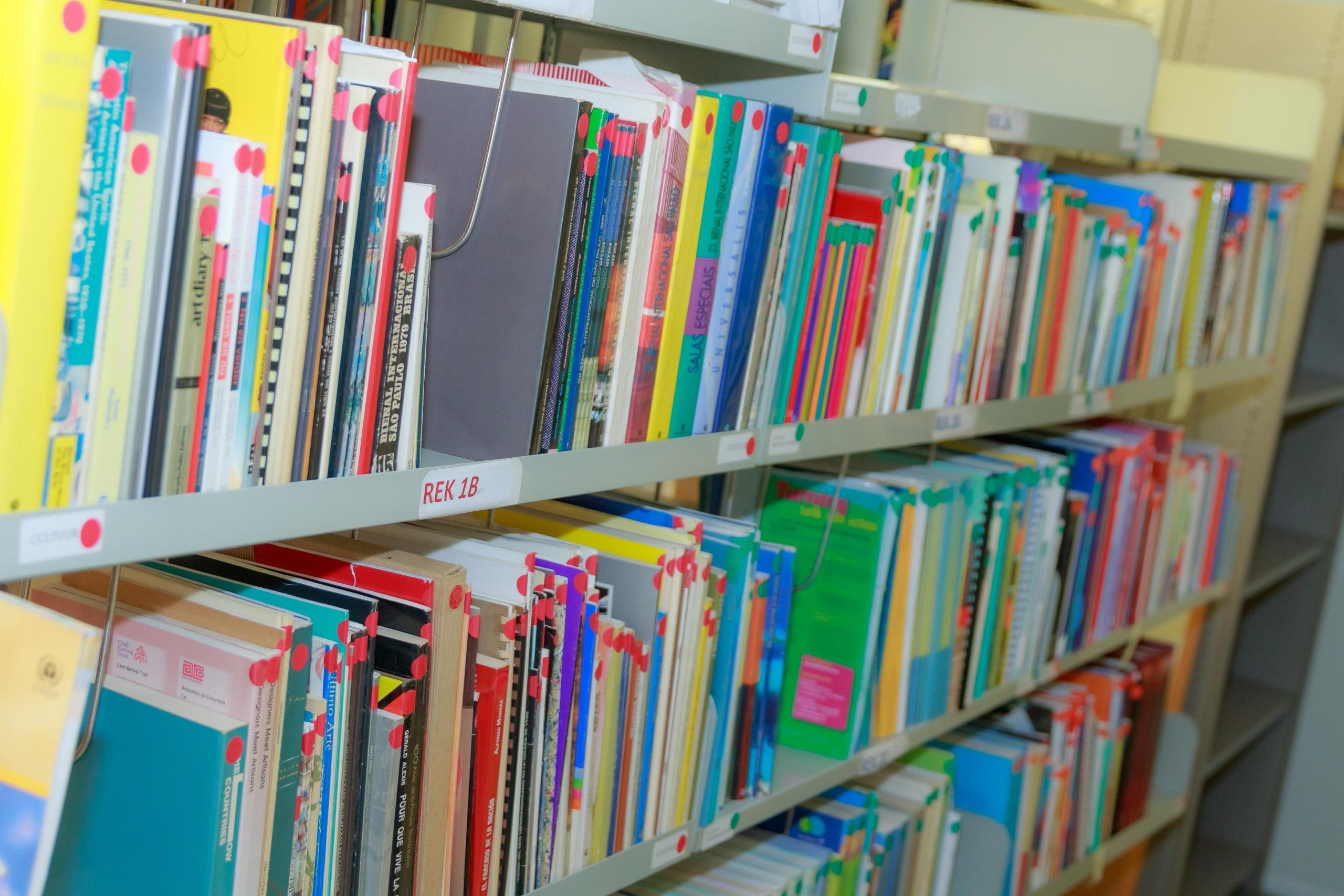
Open Educational Resources (OER) are learning, teaching and research materials in any format and medium that reside in the public domain or are under copyright that have been released under an open license, that permit no-cost access, re-use, re-purpose, adaptation and redistribution by others.
Open license refers to a license that respects the intellectual property rights of the copyright owner and provides permissions granting the public the rights to access, re-use, re-purpose, adapt and redistribute educational materials.
Read more about UNESCO’s Open Educational Resources Programme.